
Earlobe correction
A minor procedure that corrects the shape and size of the earlobe.
€499
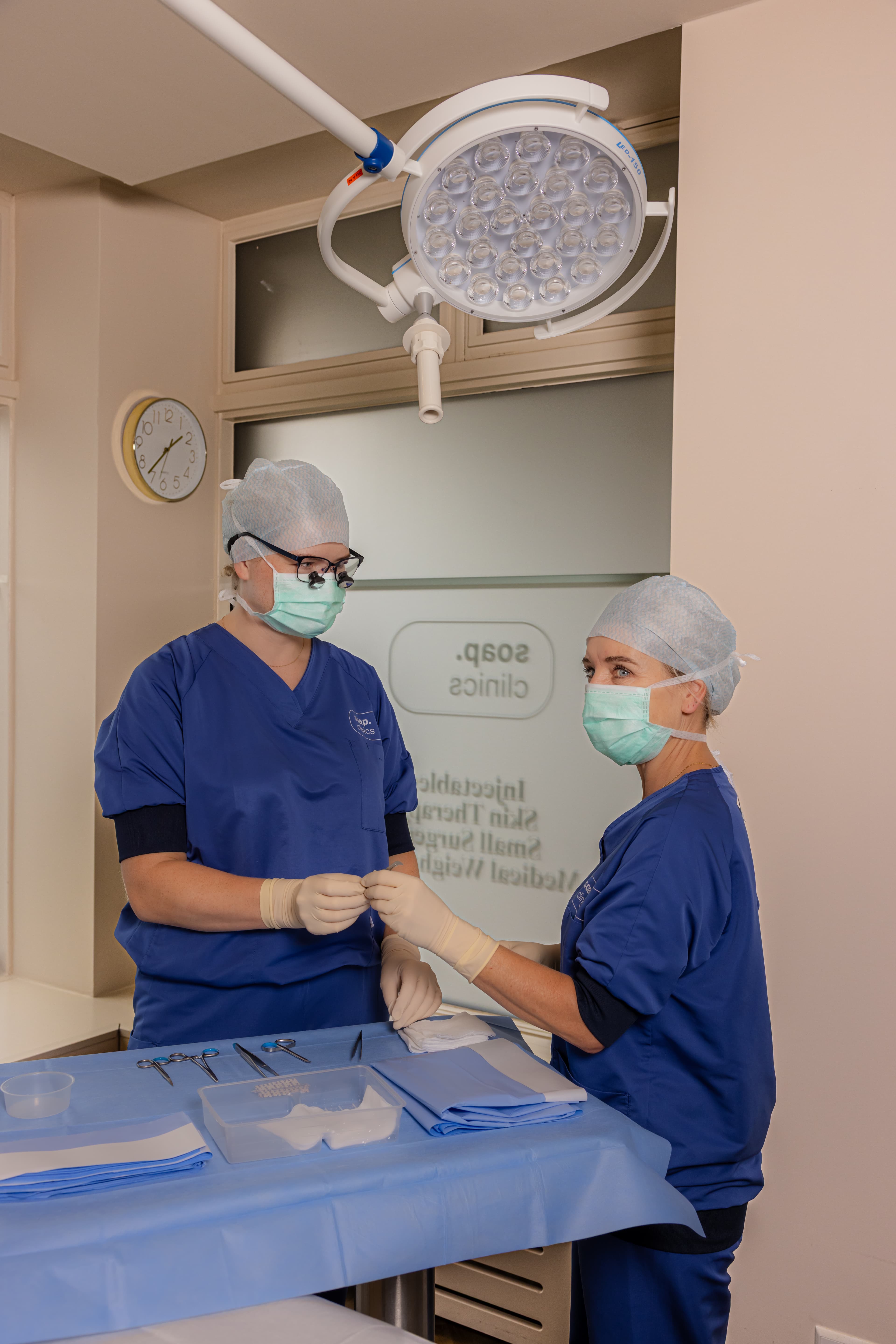
From outstanding ears to an asymmetrical or enlarged earlobe. A small procedure that balances the face with a result that hardly stands out.
Earlobe correction
A minor procedure that corrects the shape and size of the earlobe.
€499

Ear position correction
A procedure that brings the ears closer to the head and corrects their position.
From €1.699
A surgical procedure is a personal and important decision. Therefore, at Surgery at Soap, we guide you carefully through every step: from the initial non-binding consultation to your recovery and the final check-up.
You will be treated by an experienced surgeon who takes ample time to listen to your wishes. Together, you will discuss what you want to change, which treatment fits, and what result is realistic and medically responsible. This way, you will know exactly what to expect in advance.
We proceed through the following steps:

Every surgical treatment starts with a personal and non-binding consultation with the surgeon. During this conversation, you discuss your wishes, expectations, health, and medical history.
The surgeon assesses the area you want treated and looks not only at the complaint itself, but also at your anatomy, skin quality, facial or body proportions, and any underlying causes.
You receive honest and personal advice about:
which procedure best suits your wishes;
what results you can realistically expect;
the various treatment techniques;
the location of any scars;
the anesthesia;
the recovery and expected recovery time;
possible risks and complications;
any alternative treatments.
Sometimes during the consultation, it appears that a different procedure is better suited to you, that a less invasive treatment is sufficient, or that surgery is not the right solution. Our surgeons always advise from medical expertise with your safety and a natural result as the starting point.
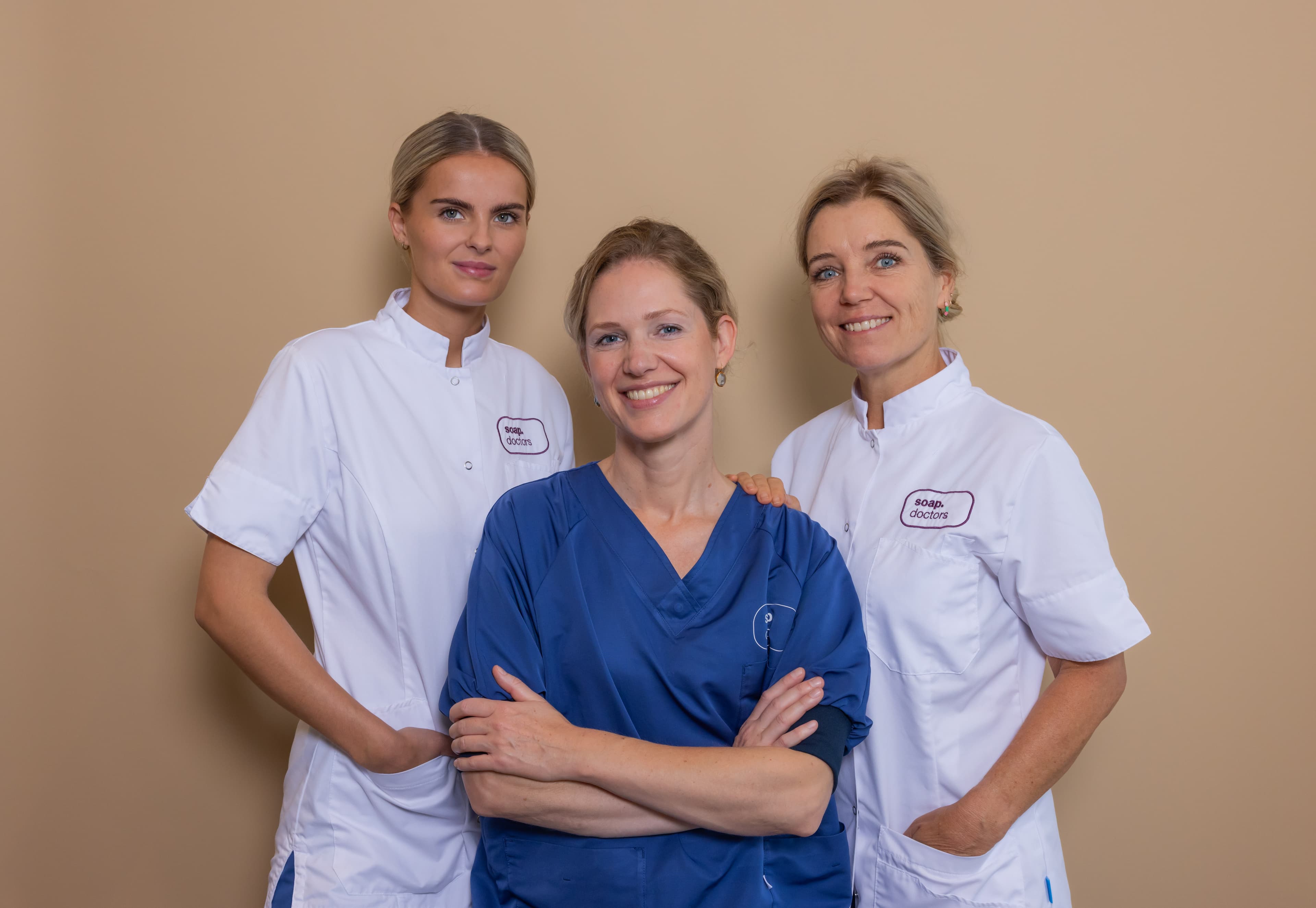
No face and no body are the same. That is why every procedure is fully tailored to your anatomy, wishes, and desired result.
After the consultation, the surgeon will create a personal treatment plan for you. It includes which procedure is recommended, which technique is used, where the treatment takes place, and whether it is performed under local anesthesia or general anesthesia.
You will also receive clear information about the preparation, the costs, and what is included in the treatment and aftercare. Only when everything is clear and you fully support the chosen treatment, will the procedure be scheduled.

Proper preparation contributes to a safe procedure and a speedy recovery. Therefore, you will receive clear and personal instructions in advance.
Depending on the procedure, these instructions may pertain to:
temporarily adjusting or stopping certain medications and supplements;
smoking and alcohol use;
eating and drinking prior to the surgery;
arranging transportation home;
rest and support during the first few days;
clothing or aids you will need after the treatment.
Before the procedure, the treatment team will review the most important information with you again. The surgeon will discuss what is going to happen and, if necessary, carefully mark the treatment area. Medical photos may also be taken to properly assess the initial situation and the final result.
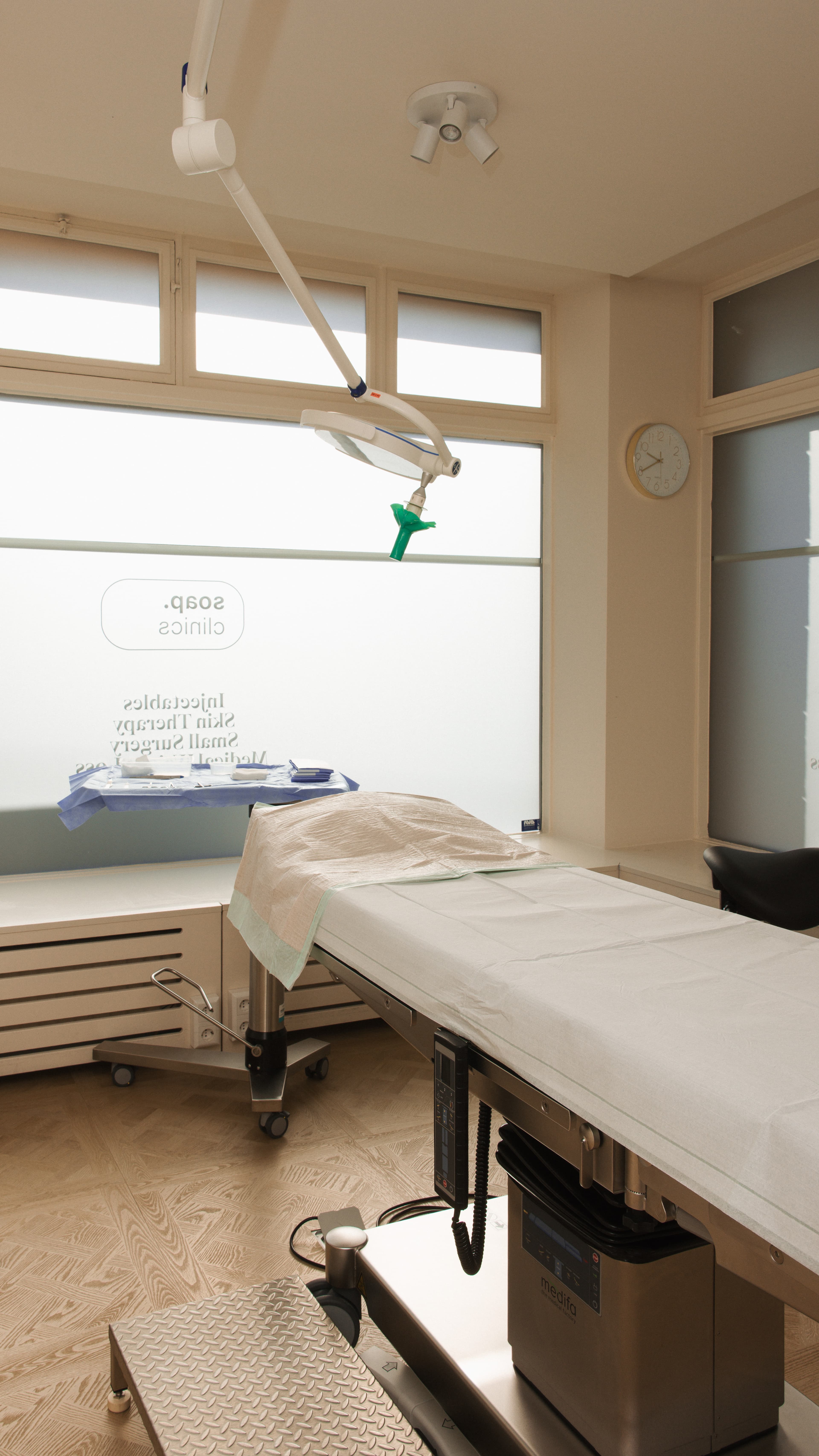
The procedure is performed by an experienced surgeon and according to a carefully established treatment plan.
Minor surgical procedures, such as certain eyelid corrections, earlobe corrections, and other facial corrections, can often be performed under local anesthesia. For more extensive surgeries, general anesthesia or sedation may be necessary. During the consultation, the surgeon will explain exactly which form of anesthesia is suitable for your treatment.
The duration and course of the operation vary per procedure. Throughout the treatment, work is consistently done carefully towards a safe, balanced, and natural result. Where possible, incisions are placed in natural skin folds or in the least noticeable location.
After the procedure, you can calmly recover in the clinic. The treatment team will check how you feel and explain the first hours and days of recovery. As soon as it is medically responsible and you feel well, you may go home. For procedures under anesthesia, it may be necessary for someone to pick you up and accompany you home.

Good aftercare is an essential part of any surgical treatment. After the procedure, you will receive clear instructions on wound care, medication, showering, sleeping, moving, working, and exercising.
Swelling, bruising, sensitivity, and a tight feeling can be part of the normal recovery. How long this lasts varies by procedure and person. The surgeon will discuss beforehand what you can likely expect and when you can resume your daily activities.
During regular check-ups, we closely monitor the recovery. Depending on the treatment, stitches are removed, scars are assessed, and you receive additional advice on wound and scar care.
Do you have questions between check-ups or are you worried about something? Then you can always contact the clinic. Appropriate medical support is available for medical complaints or unexpected changes.

Directly after surgery, the final result is usually not visible yet. The skin and underlying tissue need time to heal, and swelling must first diminish.
For some treatments, improvement becomes visible quickly, while the final result of other procedures develops over several weeks or months. Scars also change over time and usually become gradually calmer and less noticeable.
During the consultation, the surgeon discusses what result is achievable in your situation and how long the recovery is expected to take. Because every body heals differently, an exact result can never be guaranteed. However, our surgeons do everything they can to create a result that fits your anatomy, desires, and appearance.