October 26, 2023
Kliniekervaringen
"Always super happy with the result thanks to Doctor Hilmar. 😀"
Zainab
BEST IN BEAUTY
Teeth grinding is unconsciously sliding your molars back and forth over each other, usually while you sleep, with a force far greater than normal chewing. Most people only hear about it from their partner or their dentist. At Soap, our doctors assess during a free consult how tense your chewing muscle is and what can be done about it.
Book a free consultBook a free consult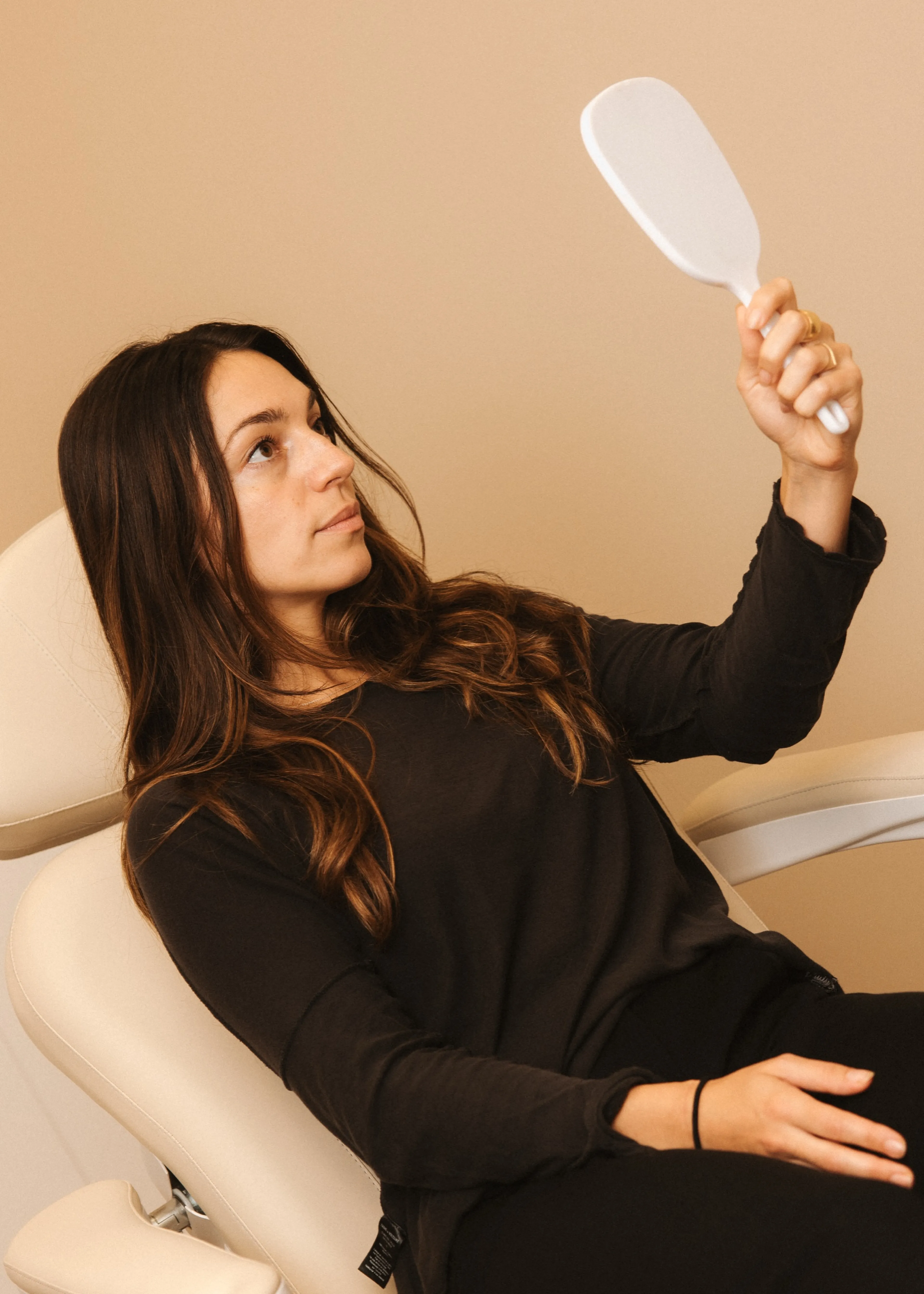
NIGHT SHIFT
Because it happens at night, you rarely notice it yourself. The signs come in the morning: a stiff or tired jaw when you wake up, sensitive teeth, pain around your ears or temples, and a headache that is already there before your day has started.
A second set of clues comes from other people. A partner who hears it, or a dentist who sees worn surfaces on your molars, chipped edges or receding gums. Sometimes your reflection gives it away: chewing muscles that have grown so much from years of overload that the lower half of your face looks wider.
GOOD TO KNOW
What it is: unconsciously rubbing and clenching your molars, usually while you sleep. The medical term is bruxism.
What it does: wear on your teeth, an overloaded chewing muscle, jaw pain and headaches when you wake up.
What a bite splint does: protect your teeth against the damage. It doesn't stop the grinding itself.
What Soap does: reduce the strength of the chewing muscle with botulinum toxin, so the overload decreases.
Price: a treatment of the chewing muscles starts from €285. The consult is free and without obligation.
WHY DOES THIS HAPPEN
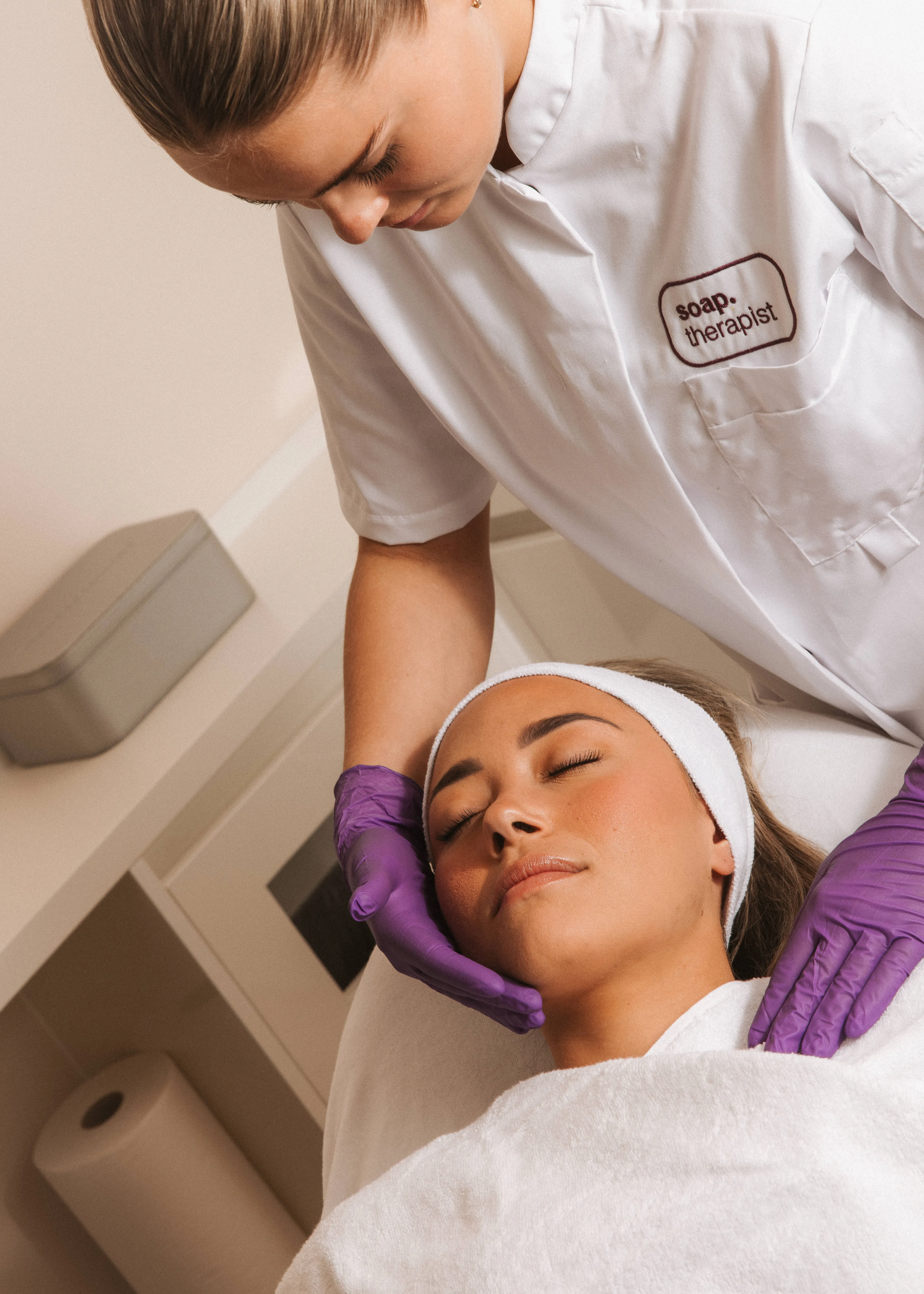
Teeth grinding rarely has a single explanation. Stress and a high mental load are the best-known factors: tension you build up during the day finds an outlet in your jaw at night. Your sleep quality also plays a role, because grinding often occurs around brief moments of waking.
Physical factors count too. Teeth that don't close properly, a crooked crown or a missing molar can make your jaw search for a stable position all night long. Alcohol, caffeine, smoking and certain medication, including some antidepressants, demonstrably increase the chance.
SHIELD OR SOURCE?
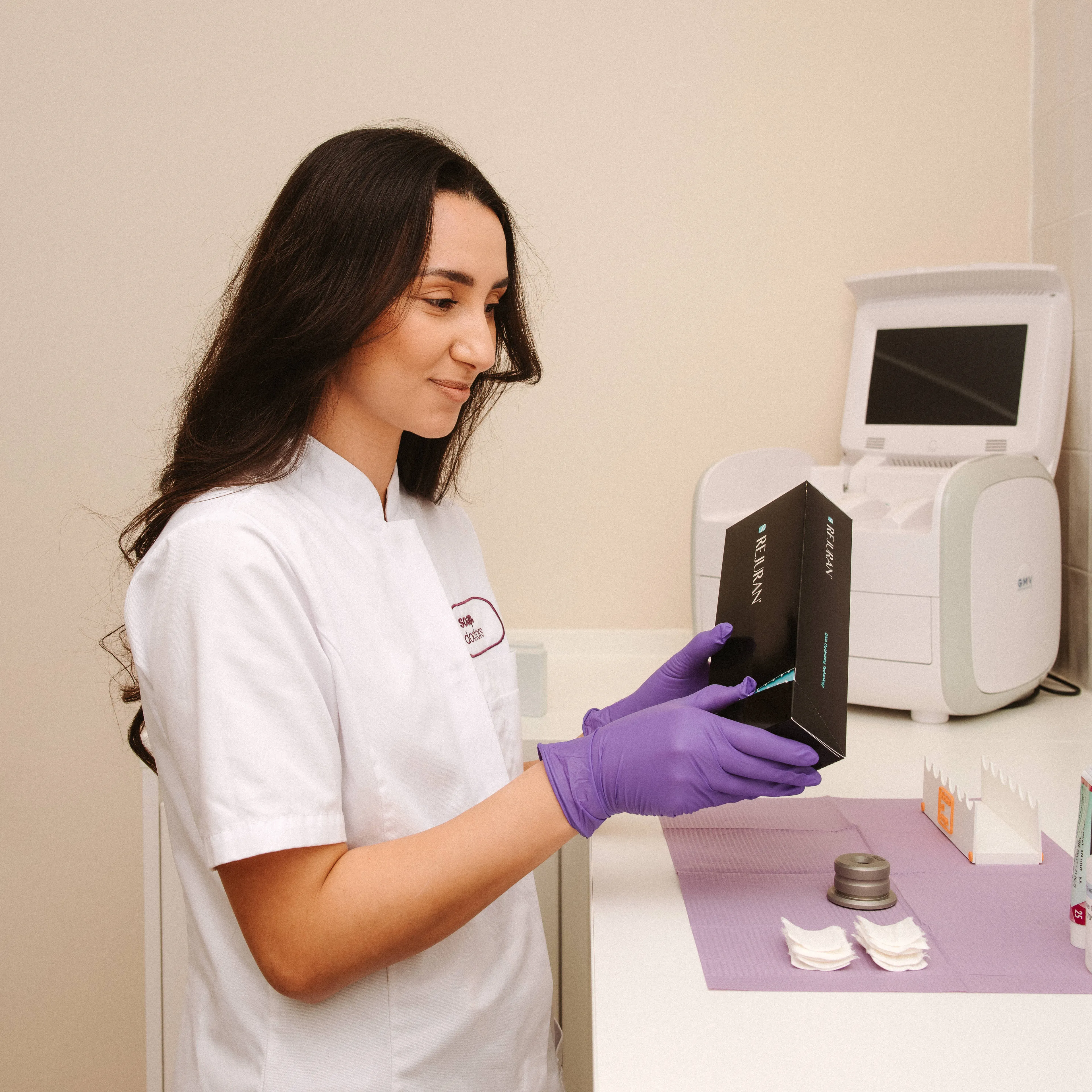
A bite splint from the dentist is a good and often necessary step: it places a protective layer between your upper and lower teeth, so the wear stops. That solves the consequence. The force with which your jaw clamps shut stays exactly the same, and that force is precisely what overloads your muscle and feeds your headaches.
Ready-made bite splints from the chemist protect less well than one made from an impression, and with a poor fit they can even trigger more clenching. So preferably have your bite splint fitted by your dentist. And see it as a complement: a bite splint and a treatment of the chewing muscle don't rule each other out, they simply do something different.
WE KNOW BEST

Our team of cosmetic doctors, surgeons, skin therapists, and beauty specialists is ready to assist you every day with personal advice and treatments, fully tailored to your wishes and the best
THE DAMAGE DONE
Wear on your teeth. Enamel wears away, edges chip off and fillings or crowns give way sooner than they should.
An overloaded chewing muscle. The masseter is put under more strain than it is designed for, which causes muscle pain and stiffness in your jaw.
Headaches when you wake up. A tense chewing muscle pulls on its attachments around the temple and ear, which feels like a headache.
A jawline that grows wider. A muscle that works overtime for years becomes thicker. That visibly changes the shape of the lower half of your face.
Problems with the jaw joint. Popping, clicking or limited opening of your mouth can occur over time.
RELEASE THE TENSION
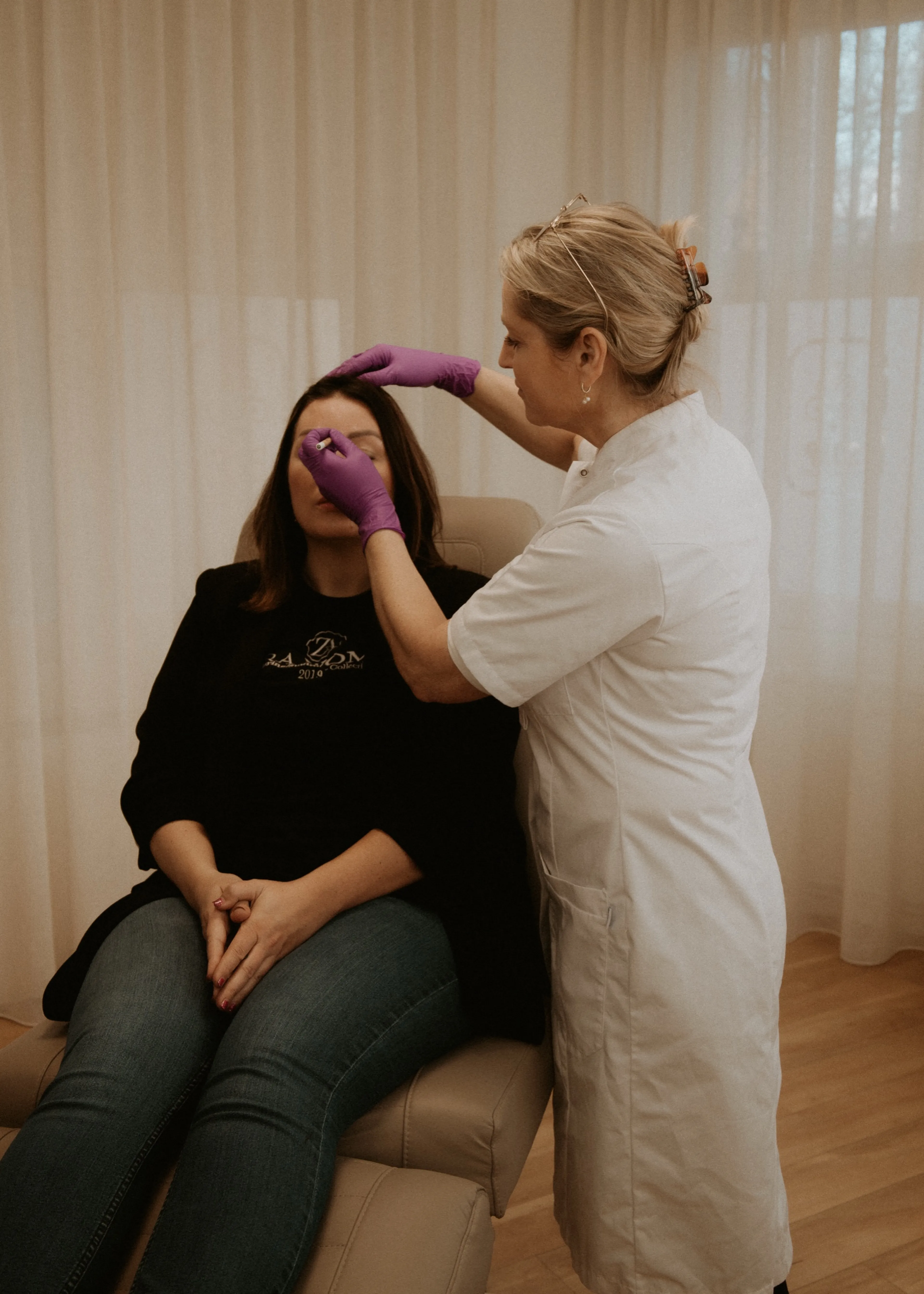
During the free consult, the doctor feels your chewing muscle while you tense it, assesses how strongly it has developed and discusses your pattern of symptoms. Based on that, they decide how many units are needed and where they are best placed.
The treatment itself takes 15 to 20 minutes. The doctor gives a few injections with a fine needle into the chewing muscle on both sides, just above the angle of your jaw. You can carry on with your day straight away. Chewing remains perfectly possible.
RESULTS RESULTS RESULTS
Result. Less force in the chewing muscle, so the muscle settles down and morning stiffness and jaw pain usually decrease.
Build-up. The effect builds up over one to two weeks and is rarely noticeable on the first day.
Longevity. Three to four months on average. If you repeat the treatment, the muscle gradually becomes less bulky, so the effect often lasts longer.
Your teeth remain a job for your dentist. This treatment reduces the force, but doesn't repair existing wear. A bite splint still makes sense alongside it.
REVIEWS
October 26, 2023
Kliniekervaringen
"Always super happy with the result thanks to Doctor Hilmar. 😀"
Zainab
May 13, 2025
Kliniekervaringen
"I have had a botulinum toxin treatment with Dr. Dionne Deibel and am very satisfied with the result. I have one eyebrow that has a lot of muscle activity and pulls up, and she has managed to bring it down, which is quite an art. She is friendly, listens to your wishes, and is sympathetic and a good doctor."
Nadia
December 17, 2025
Google Review
Beautiful place, centrally located in Wyck and a stone's throw from the station - ideal for anyone who wants to quickly start their day beautifully. You are warmly received and the team works professionally, hygienically and above all very friendly: exactly how you want it when someone takes care of your hands.
The gel lacquer manicure is very well executed and looks like it can withstand the end of time. Not the cheapest option, but for €39, you get top quality and nails you want to keep
Nicci
July 8, 2023
Very hospitably received with a cup of coffee and given the time to prepare for the massage in a wonderfully serene and pleasantly warm room.
Enjoyed a wonderful massage with pleasant music (not too loud, not too soft), a nice temperature (not too warm, not too cold) and soft lighting. A very friendly and welcoming team. Highly recommended in The Hague!
Carole

CLEAR PRICES, NO SURPRISES
A treatment of the chewing muscles at Soap starts from €285. Exactly how many units you need depends on how strongly your muscle has developed. During the free consult you get a concrete quote for it, before you decide anything.
See the full price overview for botulinum toxin for all zones and combinations. A treatment at a cosmetic clinic is not reimbursed by your health insurer, not even when the reason is medical.
YOUR SOAP PLAN
Teeth grinding almost always calls for more than one intervention. This is how the options relate to each other.
Visible wear on your teeth: start with your dentist. A custom-made bite splint prevents further damage, and that is the first priority.
Problems with the jaw joint itself: a gnathologist or jaw physiotherapist looks specifically at the joint and how it moves.
A hard, painful chewing muscle and morning headaches: a treatment of the chewing muscle with botulinum toxin reduces the force with which you clench, so the muscle can settle down.
Mainly tension during the day rather than at night: then it is more likely jaw clenching, which calls for its own approach.
Headaches that go beyond your jaw: read more about tension headache and what does and doesn't help with it.
DARE TO ASK